
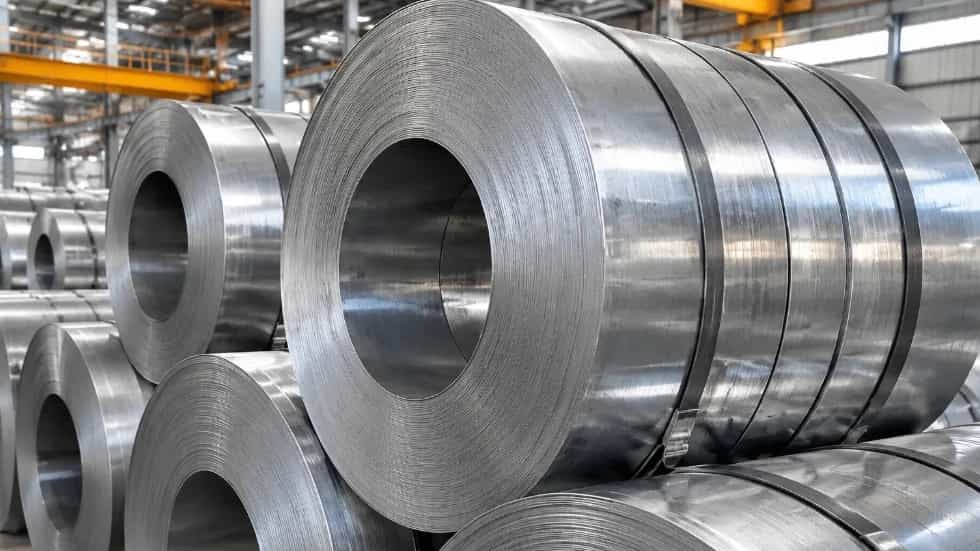
The daily price of steel belt in the iron market of Tehran is determined by the production method (fabric, machining, rolling and trans), analysis of the base ingot (St37 or Ck45) and dimensions in kilograms, and it changes on a daily basis due to the dependence on the fluctuations of Khuzestan steel ingots and the Azad dollar. In the floor transactions of Shadabad factories and Ahan Mekan market, machining and trans belts are between 15 and 35% more expensive than traditional rolling belts due to the precise warping and edging process. For major buyers and machine shops, knowing the exact weight of 6-meter branches and the cost of cutting is the most direct factor in determining the final invoice.
In the parts manufacturing workshops and metal frame manufacturing lines of the capital, the difference in Rial price between the belts does not only depend on the external dimensions, but the production method directly determines whether the load sent from the Shadabad warehouse will enter the turning line without waste or will require additional costs of warping and sanding.
The origins of belt rate fluctuations in Shadabad and Ahanmekan iron companies
According to our field experience in the loading and warehousing process of Oroji steel, belt pricing in Tehran has two operating poles: Shadabad iron market (west) and Ahanmekan market (south). Although the base rate of raw materials is communicated from the Iranian Commodity Exchange for all factories, but on the floor of the open market, parameters beyond the stock exchange table determine the current value of each branch.
The first component is the huge difference in the underlying sheet. Belts sold under different names at unnaturally cheap rates are often the result of offcuts from scrap sheets or non-homogeneous secondary sheets that crack quickly under the press brake. The second parameter is the fee for mechanical processes in Shadabad cutting salons. The cost of guillotine, slitting, and especially fabric edging and sanding operations, is added to each kilogram of the final product and determines the final dimension tolerance.
The effect of daily price of slabs and black sheets on the official invoice
Steel belt is generally a direct descendant of hot-rolled ingots and coils. When the price of slabs in the Industrial Hall of the Commodity Exchange faces competition or the allocation of black sheet quota is limited, the first piece that reflects the inflationary wave in warehouses is the shear belt. In order to compensate for the deficit of standard sheet, local millers are forced to buy ingots with higher transportation costs from the south of the country; A factor that directly increases the freight rate on the final freight rate in the Tehran company.
Capital's sleep and the elasticity of purchasing industrial workshops in the capital
In practice, it has been observed that the decrease in cash flow of contracting projects around Tehran reduces the volume of heavy alloy belts such as Mo40 and Ck45 in warehouses. This inventory reduction in popular sizes (such as 10x40 or 12x60 belts), even in the conditions of general steel stagnation, creates a local bubble in Tehran's iron market.
Technical analysis of types of steel belts and why their rates differ
Knowing the belt forming method is the most important principle to prevent financial loss in industrial ordering. There are four main types of belts in the market, the difference in price per kilogram is due to the level of processing equipment.
belt climbing; The cheapest option for heavy construction use
Rolling belt is the result of remelting waste ingots in traditional furnaces and direct hot rolling. These sections have a thick oxide surface, uneven edges and a dimensional error between 2 and 5 mm. The price of this product forms the floor of the belt market, and it is mostly used for foundation, protection, building fasteners and beams, because the quality of the polished surface is not important in these applications.
fabric belt; Mechanical uniformity and factory standard
The fabric belt is produced from the beginning in continuous rolling lines in the form of branches. The tensile strength of this belt is uniform along the entire length of the branch and does not have any longitudinal distortion or residual stress caused by shearing. Due to its high structural strength, manufacturers of industrial sheds and power transmission towers pay more for the supply of this type of material.
machining belt; Complete elimination of warp and lateral distortion
Machining belt is the product of first-grade sheet rolls (such as Mubarake steel sheet or Axin) by unrolling machines and longitudinal scissors. After cutting, the pieces enter the automatic warping machine to reduce their arc distortion to zero, and then the sharp edges are polished with a mechanical milling machine. This section offers the best price-to-quality ratio for car parts manufacturers and flange manufacturers.
trans belt; Polishing with micron tolerance
Trans or tension belts are obtained by cold drawing the machined belts through tungsten caliber molds. This product is produced with a completely mirror surface and accurate dimensions without an error of a hundredths of a millimeter. The price of this type of belt has the highest rate in the daily price table of flat steel sections due to the process of phosphating, mechanical stretching and polishing.
How to calculate the actual weight of the belt and identify the authenticity of the load in Tehran
Estimating weight before settlement and loading avoids the most common pitfalls in the iron market. The belt is traded based on the weight standard, and the smallest difference in the thickness of the sheet that went under the guillotine, will shift the weight of the belt.
The formula for calculating the theoretical weight of a 6-meter belt branch is as follows:
thickness (mm) x width (mm) x length (meter) x 7.85 / 1000 = weight of one branch (kg)
For example, the weight of a 5 x 50 belt branch 6 meters long is exactly 11.77 kg. If the weight shown by the warehouse scale is significantly less than this number, the thickness of the input sheet is 4.5 mm, which is factored instead of 5 mm fabric; A problem that greatly reduces the fatigue resistance of the structure.
Workshop solution for belt health test before unloading
According to the specialized procedure of Ahan Folad Oroji technical team, to ensure the safety of the cargo sent to the workshop, it is enough to control three indicators:
Hidden invoices in checkout and belt loading from warehouse
Loading in Tehran market has details that not being calculated in the initial estimate will change the finished cost of the project. In most major companies, the cost of the origin scale, the overhead crane loading fee for heavy bundles and the cost of safe bundling are borne by the buyer. It should also be noted that chopped branches (below 6 meters) or custom cuts according to the customer's plan will be subject to a band saw fee. Dealing directly with a supplier that has direct access to the conveyor line and central warehouse eliminates these intermediary fees from the final purchase invoice.