
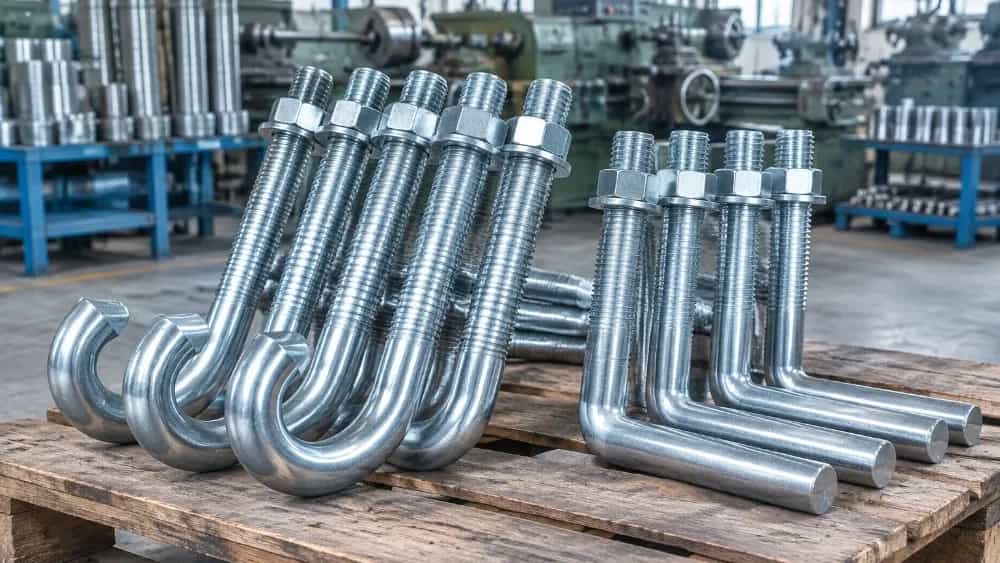
Bolt base or structural bolt anchor is a standard steel threaded rebar that transfers the tensile and shear load of the columns and metal chassis plates directly to the foundation by restraining it in the concrete foundation. The structural efficiency of this connection in the implementation of the base plate requires the selection of a suitable alloy such as A3 rebar, A36 grade or alloy steels such as MO40 according to the seismic moment of the project. In the Tehran market, the center of custom production and supply of these sections based on the engineering plans is Oroji Iron and Steel Industrial Workshops, which supply the parts with exact dimensional compliance.
In practice, it has been observed that most of the unsafe settlements and vibrations of metal structures in industrial projects in Tehran are caused by defects in anchoring and the quality of the nozzles of nut threads. The connection of the column to the foundation leaves no room for technical speculation or unreasonable savings, because compensating for the failure or breakage of the anchor bolt after the concrete has set unless it is structural, will require the destruction of the foundation or the expensive chemical planting of resin anchor bolts.
Technical specifications and production standards of engineering bolt base
Bolt base engineering production is not limited to simply cutting the rebar and creating a rib on its head. The standard process in Oroji steel turning and iron manufacturing lines is performed by calculating the nominal diameter, gear pitch, harness length and final bend angle. Production bolts are made in J-Bolt, L-Bolt, threaded double rod or plate types depending on the requirements of the map. Each of these forms create a different pattern of mechanical stress engagement with the core of concrete, which prevents the piece from being pulled out under the forces of wind and earthquake.
The quality of the base steel is decisive in the lifetime of the structure. Using recycled rebars or melting low-quality waste in the production of anchor bolts is a structural error. Based on tensile and yielding metallurgical tests, standard A3 grade rebars with a yield stress of 4,000 kg/cm2 or CK45 and ST52 alloy bars provide the necessary strength for cyclic loading and urban windbreaks in Tehran.
Operational differences between rolling thread and chipping thread
In the cold rolling thread production method, the teeth are made due to the heavy pressure of hardened rollers and changing the waxy shape of the steel without cutting the longitudinal fibers of the rebar. This method increases the fatigue resistance of the thread by 20% compared to the chipping method and prevents the nut from being damaged under the heavy vibrations of the roof cranes. In contrast, the taping thread, which is generally removed by manual lathes in traditional workshops, leaves microscopic lines at the root of the tooth that may become the starting point for microcracks.
Coating and galvanization of bolt base in industrial areas
Moisture under the foundation surface and chemical reactions of concrete in the vicinity of Tehran soil sulfates intensify the need to cover anchor bolts. Hot-Dip Galvanizing creates a thickness between 50 and 80 microns on the body and base threads of the bolt and protects the connection against corrosion. To maintain the flow of the nuts after the hot galvanizing process, the threads are machined with a special engineering tolerance so that the nut can be installed in the workshop without applying torch heat or grinding on the bolt.
Field investigation of iron market challenges and material supply in Tehran
The purchase of metal materials in Tehran is tied to the momentary fluctuations of ingots and rebars in Shadabad iron market and Mekan iron market. Most of the middlemen sell ready-to-stock bolts with unknown materials without factory certification and non-standard threads. According to our technical investigations in industrial projects around the capital, such as Shamsabad, Shoorabad, and Abbasabad industrial estates, the thread length discrepancy or the weakness of the end bend has repeatedly caused the foundation concreting to stop by the monitoring device.
Elimination of intermediaries in the supply chain and direct production in Shadabad industrial bases by Ahan Folad Oroji has reduced the delivery time of brigade and special orders to less than 48 hours. Direct monitoring of template dimensions, thread pitch control with a go/go gauge, and delivery with a quality analysis sheet solves the concerns of designers and operators of heavy structures.
Determining factors of bolt base price and cost calculation formula
The final price of the bolt base is calculated based on the weight of the primary metal, the type of alloy, the method of threading and the type of protective coating. In the table of final costs, rebar waste, lathe wages and mechanical bending operations are also variable. By directly inquiring from the main producer, the cost of storage and brokering of the market is deducted and access to the actual workshop rate is provided.
Quality control and installation tips for the bolt base at the workshop site
Correct installation requires the use of metal templates with a thickness of at least 4 mm so that the alignment and axle bolts are not disturbed during concreting. Twisting, angular displacement and excessive or incomplete burial of the thread length in concrete make column installation impossible. Bolts produced in Oroji iron and steel have a precise marking of the concrete level line so that the executive team does not have an eye error.
Using protective grease on the free part of the thread and temporarily taping it before concreting prevents the cement sap from sticking to the grooves. Applying the standard torque with a hydraulic torque meter and installing two locking nuts on each bolt base ensures the safe restraint of the load.