
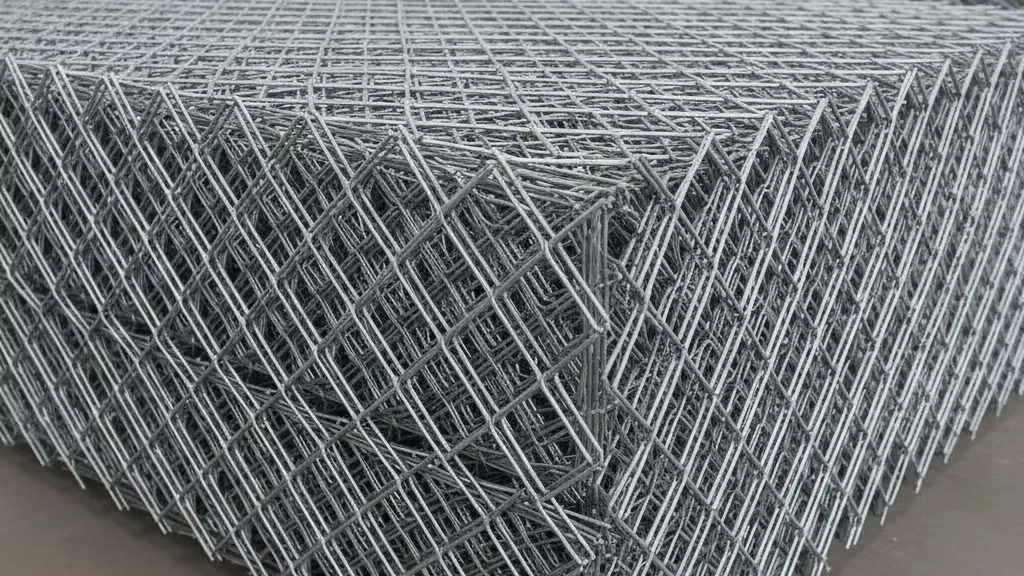
In the modern world of construction, strength and beauty of the structure are two sides of the same coin. One of the vital materials that creates a bridge between the hard skeleton and the delicate interior is Rabitz, or as it is colloquially called, "Raviz". Choosing a standard product can guarantee the lifespan of plastering and the safety of false ceilings. In this comprehensive article, we will examine the production and sale of high-quality rabits in Demir Oroji iron and steel and analyze the reasons for the superiority of the products of this collection compared to other competitors in the iron and steel market of Iran.
An introduction to the importance of rabbits in the construction industry
Before we go into the process of producing and selling high quality rabits, we should know why this metal mesh is so important. Rabbits are actually galvanized steel sheets that are transformed into grids with regular springs during mechanical stretching and pressing processes. These networks provide an excellent substrate for the adhesion of plaster and cement mortar and prevent surface cracking.
What is Rabbits and why is its quality important?
رابیتس یا راویز، محصولی است که از کشش عرضی و پرس ورقهای گالوانیزه تولید میشود. After passing through the cutting and stretching stages, this product enters the packaging stage. The importance of quality in the production and sale of high-quality rabbets in Demir Oroji iron and steel depends on two main factors:
- Sheet material: The use of hot galvanized sheet makes Rabbits resistant to moisture and rust (oxidation) under plaster. If the rabits rust, the resulting yellowness penetrates the surface of the plaster and destroys the facade of the building.
- Thickness and weight: The rabits are classified according to the weight and number of columns. Products that do not have a standard thickness will suffer from "bellying" during rabbeting and greatly increase the consumption of plaster.
At Ahan Folad Demir Oroji, all standards are strictly followed so that customers can buy with ease.
All kinds of rabbits produced in Demir Oroji iron and steel
One of the competitive advantages of Demir Oroji iron and steel is the wide variety of products. In the cycle of production and sale of high-quality rabbits, knowing the types of this product is essential for buyers. Rabbits are usually divided according to two main parameters:
1. Based on the number of columns (base)
- Rabbits 9 posts: This type is usually lighter and is used for work with small openings and more delicate plasterwork.
- Rabbits 11 posts: The most common type of rabbits on the market, it has an excellent balance between weight and strength. Production and sale of high-quality rabits in the 11-column model constitutes a large part of Demir Oroji's steel orders.
- 13-column rabits: It is the heaviest and most resistant type, which is used for heavy false ceilings, exterior facades and places that need to withstand high mortar loads.
2. Based on weight
The weight of each rabits leaf determines its price and use. In Demir Oroji iron and steel, rabits are produced in different weights:
The important point in the production and sale of high-quality rabbits in Demir Oroji steel is that the declared weight is the actual weight of the scale and there is no unauthorized negative tolerance in the products.
Benefits of buying from Demir Oroji iron and steel
Why should you choose Ahan Foulad Demir Oroji for your construction needs? Iran's iron market is full of intermediaries and different producers, but the specialized focus on production and sale of high-quality rabits distinguishes this company.
Elimination of middlemen and competitive price
Purchasing directly from the factory is always in the customer's favor. Demir Oroji Iron and Steel supplies products at market floor prices by eliminating dealers. When it comes to producing and selling high quality rabbits, the final price is very important for mass producers.
Use of first grade galvanized sheet
Many manufacturers use low-quality tinned or cold galvanized sheets to reduce costs. But in Demir Oroji steel, the priority is to use hot galvanized sheets from reputable factories (such as Mubarake steel or first-class imported steel), which have high resistance to corrosion.
Variation in the number of springs
In addition to the column, the number of springs (usually 2 or 3 springs between the columns) also affects the quality. The more accurate the number of springs and the penetration angle of the mortar, the better the adhesion. This engineering precision is fully evident in the production and sale of high-quality rabbits at Demir Iron and Steel Company.
Fast shipping nationwide
It doesn't matter if your project is in Tehran, Mashhad, Tabriz or the south of the country. The powerful logistics system of Ahan Folad Demir Oroji guarantees that your cargo will reach the project site in the shortest possible time and with the lowest transportation cost.
The main uses of rabits in construction
The process of producing and selling high-quality rabits is not limited to false ceilings. Engineers and architects use Demir Oroji steel products in different sectors:
- False and decorative ceilings: Creating arched designs, hidden light (arch and open) and bottlenecks that require the flexibility of rabits.
- Covering of beams and columns: To prevent cracking of plaster on polished metal surfaces, rabits must be used.
- Concreting and foundation: In some cases, heavy rabbets are used to create stop ends in concrete pouring.
- Repairing construction cracks: To restore old walls, it is necessary to use rabbets as wall reinforcement.
This is the reason why the production and sale of high-quality rabits in Demir Oruji iron and steel is in high demand from contractors.
Rabbit production process in Demir Oroji iron and steel
To better understand the concept of "quality", it is not bad to take a short look at the production line. In Ahan Folad Demir Oroji, the process of production and sale of high quality rabits includes the following steps:
- Coil selection: Galvanized sheet rolls are selected with precise thicknesses (for example, 0.25 to 0.5 mm).
- Slitting: The mother coil is cut into strips of a certain width.
- Pressing and stretching: This stage is the beating heart of production. State-of-the-art machines with precision mandrels punch and pull the sheet simultaneously to form the rabbets grid. The precision of these machines in Demir Uroji steel makes the columns completely smooth and without distortion.
- Final cutting and packing: Rabbits leaves are cut to standard length (usually 2.40 meters) and strapped in packs of 10 or 20.
Factors affecting the price of rabbits
In the discussion of producing and selling quality rabbits, the final price is a function of several variables. Customers of Ahan Foulad Demir Company can choose the best time to buy by considering these factors:
- Global price of steel and currency: Since the raw material is galvanized sheet, the fluctuations of the iron market directly affect the price of rabits.
- Weight of rabits: The greater the weight of the sheet, the more metal used and the higher the price.
- Number of columns: 13-column rabits is usually more expensive than 9 columns due to the complexity of production and higher weight.
- Galvanization quality: Zinc coated sheets are higher, more expensive but more durable.
Demir Oroji Iron and Steel is committed to providing the fairest prices to customers in the field of production and sale of high quality rabits despite market fluctuations.
A guide to distinguishing high-quality rabbits from low-quality ones
Unfortunately, in the market, there are products under the name of Rabbits, which lack the necessary standards. Demir Oroji iron and steel experts suggest the following points to recognize the production and sale of high-quality rabits:
- Appearance inspection: Rabbits should not have rust, tears in the springs or bent columns.
- Weight test: Always weigh a package and divide by the number of leaves to determine the actual weight of each leaf. Some profiteers increase the package weight by adding scraps! At Ahan Folad Demir Uroji, sales are made based on accurate and actual weight.
- Flexibility: High-quality rabbets should not be so dry that they break when bent, and should not be so soft that they can withstand the weight of plaster.
The importance of correct rabbets next to buying a good product
Even if you get the best product from the center for the production and sale of high-quality rabbits in Demir Oruji iron, wrong execution can ruin the result. Pay attention to the following points for a basic Rabitsbanding:
- Rebar distance: The distance between hanging rebars should not be too much to prevent the ceiling from sagging.
- Wiring: Using high-quality rabitsbanding wire (galvanized wire) is required to firmly connect the rabits to the rebars.
- Overlap: The edges of the rabits should be at least 5 to 10 cm to be placed on top of each other (overlapped) and tied with wire to make the surface unified.
Why Demir Oroji Iron Steel Rabbits is the first choice of engineers.
In surveys conducted by contractors and supervising engineers, the name of Demir Oroji Iron and Steel as a reliable brand in the production and sale of high-quality rabbits has been repeated many times. The reasons for this trust are:
- Honesty in sales: No underselling in weight and thickness.
- Expert advice: Demir Oroji iron sales team is not just a seller; Rather, they are consultants who will suggest the most suitable type of rabits (9, 11 or 13 columns) based on your building plan.
- Complete inventory: Demir Oroji Iron and Steel warehouse is always charged and there is no delay in the supply of goods.
The role of galvanized rabbets in wet areas
Comparing Rabbits with Kenaf; Which is better?
Although drywall systems have become popular in recent years, Rabbits still maintains its position.
- Strength: The wall and ceiling of Rabbits and plaster are much more resistant to impact than Kenaf gypsum panels.
- Lifespan: If properly executed, Rabbits has a life equal to the life of the building.
- Expert force: Master craftsmen of Rabbits and plaster are more abundant in Iran.
Demir Oruji Steel by manufacturing and selling high-quality rabits, offers a material that preserves the sense of classic "solidity" and "signancy" of the building, and at the same time enables the implementation of modern designs.
conclusion
The roof and walls of a building are its visual identity and safety. Using standard infrastructure materials is an investment for the future of the structure. With years of experience and relying on modern technical know-how, Demir Oruji Steel is a pioneer in production and sale of high-quality rabits in Iran.
Commitment to sheet quality, accuracy in weighing, fair pricing and speed of delivery are the four main pillars of success of this collection. If you are looking for a safe purchase in which "quality" is not sacrificed for "price" and at the same time your costs are managed, Demir Oroji steel products will be the best choice for your project.